Cart
0
You're £60.00 away from free UK delivery 🐾
You may also like
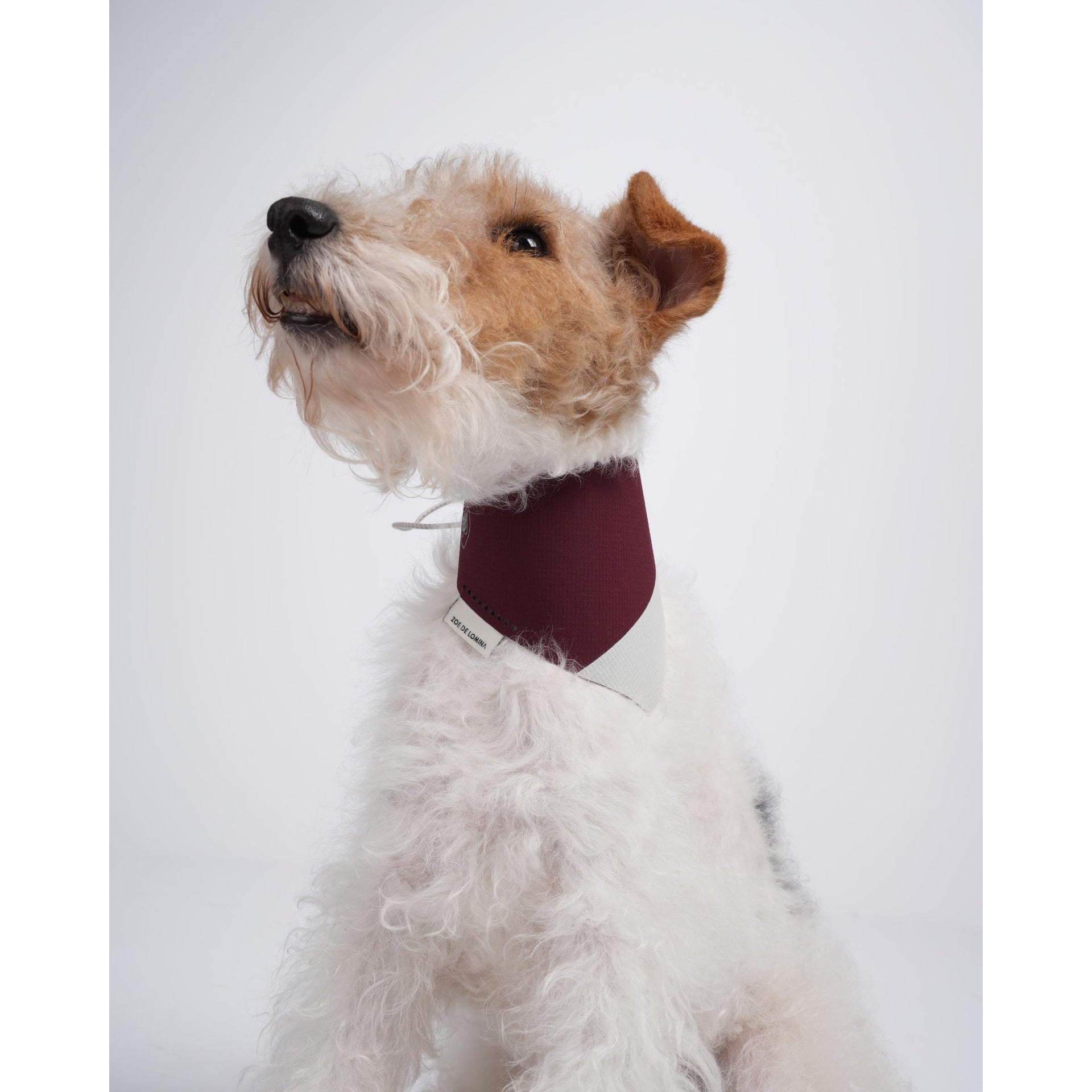


Cold and rain are two different problems. A warm dog jumper may help on a dry, chilly morning, while a lightweight rain layer can be more useful when the temperature is mild but the pavements are wet. When both arrive together, two carefully fitted layers can offer more flexibility than one heavy coat.
The important word is carefully. Layering changes the fit, adds warmth and creates more points where fabric can bunch or restrict movement. This guide explains how to layer dog coats for cold, wet UK walks without simply piling on more clothing.
A jumper under a raincoat is not automatically right for every dog or every walk. Many dogs need only one layer, and some need none. Treat the forecast as a starting point, then consider your dog’s natural coat, body shape, activity and comfort.
A useful layering system is easier to understand when each garment has a separate purpose.
| Layer | Main job | Useful conditions | What to check |
|---|---|---|---|
| Warm inner layer | Add insulation | Cold, mainly dry weather or beneath suitable outerwear | Low bulk, smooth fit and free shoulder movement |
| Rain outer layer | Help manage rain and splashes | Wet or changeable weather | Stated weather protection, coverage and room underneath |
Material names do not tell the whole story. Knit, fleece and padding can provide different levels of warmth depending on weight, construction and coverage. Likewise, a garment is not waterproof simply because it looks like rainwear. Check the exact product description rather than assuming.
Layering is most relevant when a walk is both cold and wet, or when the weather is likely to change while you are out. A separate warm layer and rain shell let you remove one function without losing the other. For example, the outer layer can come off if the rain stops and an active dog begins to warm up.
Two layers may also suit a dog that benefits from warmth but does not need a heavily insulated outer coat. The combination should still feel light enough for the pace and length of the walk.
Use one layer instead when the day is only wet, only cool or relatively mild. A lightweight raincoat may be enough for drizzle without cold. A knit or fleece may be enough for a dry, chilly walk. Our raincoat or warm coat guide helps separate those two decisions.
The inner garment should sit smoothly without thick seams or gathered fabric under the outer coat. It needs enough room at the neck, chest and front legs before anything is added over it. Sleeveless shapes can reduce the number of fit points around the shoulders, although the best shape still depends on the dog.
Ruffo’s Heritage Knit Sweater is described as an easy warm layer for dry, cooler days. Its lower-bulk knit can sit beneath suitable outerwear when there is enough room. The Charger Sleeveless Dog Jacket is a structured knit mid-layer for chilly walks, with a sleeveless shape intended to keep movement easy. It can be worn beneath heavier outerwear when the combined fit allows.
These descriptions explain the intended role of each garment; they do not guarantee that every two-piece combination will fit every dog. Check both items together before relying on them for a full walk.
The rain layer belongs on top so it can help prevent the warm material beneath from becoming wet. If knit or fleece extends beyond the shell, exposed areas can still absorb moisture. The outer coat should close normally without being pulled tight across the chest or shoulders.
The City Jungle 2.0 Waterproof Vest is Ruffo’s lightweight outer layer for wet, changeable days. Its current description specifies a breathable, water-resistant shell for light rain and splashes, plus an adjustable neck and detachable back panel. It is not described as an insulated winter coat, which makes warmth a separate decision.
If you are considering it over a knit, use the Fit Finder and size chart on the product page, then test the two garments together. Do not simply buy a larger size without comparing the measurements: extra room in one area can create slipping or twisting elsewhere.
A dog jumper and raincoat can each fit well on their own but feel too close when worn together. Ruffo’s dog coat measuring guide explains how to measure the chest, back and neck. For layering, the final movement test matters just as much as the numbers.
With both layers on, check that:
PDSA advises choosing a properly fitted coat that lets a dog walk, run, jump and go to the toilet normally. Its winter coat guidance also recommends watching for signs that a dog is becoming too warm. Two layers make those checks more important, not less.
There is no universal layering formula. A fine-coated dog on a slow pavement walk may have different needs from a dense-coated dog running through the park. Age, health and individual tolerance can also affect comfort; ask your vet for advice if you are unsure what is appropriate for your dog.
Consider four practical questions:
Check beneath the clothing during the walk. If your dog feels unusually hot or damp, slows down, seems restricted or repeatedly tries to remove a garment, stop and reassess. Never leave a dog unattended in layered clothing.
You do not need a stack of garments for every forecast. A practical starting point is one breathable rain layer and one comfortable warm layer that can each work alone. If they also fit safely together, that gives you three useful options: rain only, warmth only, or both.
Compare Ruffo’s current rain, knit, fleece and padded choices in the Outerwear collection. For a closer material comparison, see our fleece, knit or padded dog coat guide.
Yes, when the dog needs both warmth and rain protection and the two garments fit comfortably together. The outer layer should fasten without compressing the jumper or changing the dog’s stride.
A warm fleece normally sits underneath, with the weather-resistant layer outside. This helps keep the insulating material drier. Follow the instructions for the individual garments and check the complete fit.
Look for pulling across the chest, bunching behind the legs, a shortened stride, pressure at the neck or difficulty sitting and turning. If the outer coat no longer closes normally, the combination is too close.
No. Many dogs need one layer or none, depending on their natural coat, activity, health and the conditions. Use the lightest practical option and watch your dog’s comfort throughout the walk.