Cart
0
You're £60.00 away from free UK delivery 🐾
You may also like
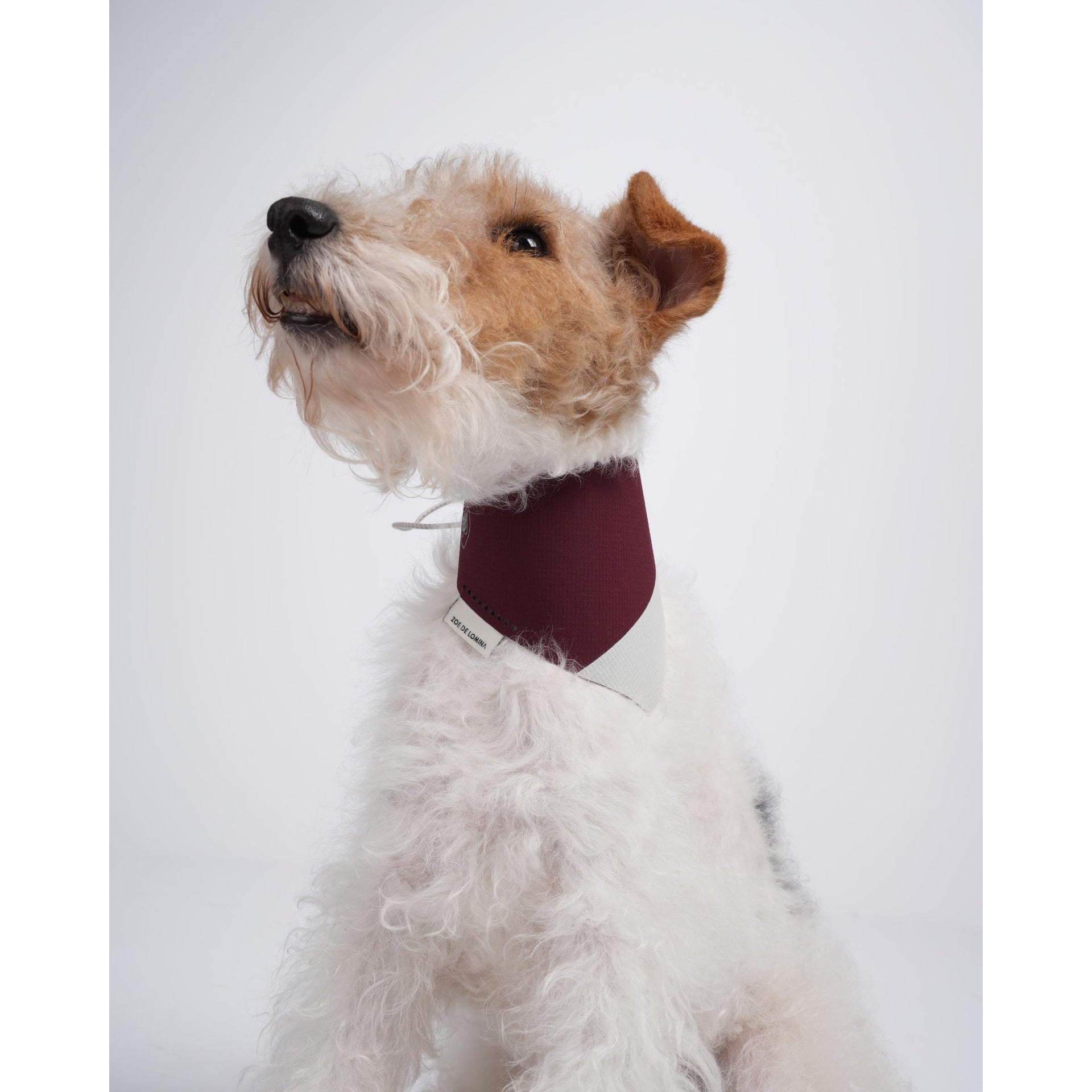


A four-leg dog coat and a sleeveless vest can be made from similarly warm materials, yet feel very different on the same dog. One extends protection down the legs; the other keeps the body covered while leaving the shoulders and legs open. The better choice depends on the weather, your dog’s shape and how they like to move.
This guide compares a dog coat with legs or vest for everyday UK walks. It focuses on coverage, fit and layering, so you can choose a shape that works in real conditions rather than relying on appearance alone.
| Coat shape | Useful when | Main benefit | Fit point to check |
|---|---|---|---|
| Four-leg suit | Your dog benefits from more coverage on colder, damp or messy walks | Extends coverage beyond the core | Stride, leg length, elbows and toileting clearance |
| Sleeveless vest | You want core coverage with fewer contact points around the legs | Simple movement and easier dressing | Chest depth, shoulder clearance and secure body length |
Neither shape is automatically warmer or more waterproof. Those qualities depend on the fabric, lining and construction of the individual garment. Think of shape as the coverage decision, then check the product description for insulation and rain protection.
A four-leg suit covers more of the dog’s body than a vest, including part of each leg. That can be useful for dogs with fine coats, longer bodies or low-slung shapes that collect spray and dirt close to the ground. The extra fabric can also make post-walk cleaning easier because less fur is exposed.
More coverage also creates more fit points. A full suit needs to follow the dog’s shoulders, elbows, hips and knees without pulling as they walk. The body should be long enough to sit naturally but not so long that it slides backwards or bunches. Leg openings should stay in place without twisting, and the underside must allow normal toileting.
Ruffo’s Removable Heritage Fleece Four-Leg Suit is designed for colder days and greater coverage. Its soft fleece lining and removable four-leg construction offer two ways to wear it: as a full-body layer or with the legs removed for an easier everyday shape. It is a warm, flexible layer; Ruffo does not describe it as waterproof, so a rainy forecast still calls for a separate look at rain protection.
A sleeveless vest concentrates coverage around the chest, back and core while leaving the legs unrestricted. With fewer openings to align, it can be easier to put on and more forgiving for dogs whose proportions do not suit a standard four-leg pattern. It can also be a comfortable choice for energetic walks or dogs that dislike fabric around their legs.
“Sleeveless” does not mean one standard level of warmth. Ruffo’s Charger Sleeveless Dog Jacket is a structured knit mid-layer with a high mock neck, intended for chilly walks or beneath suitable heavier outerwear. The 3M Thermal Padded Vest uses light padding for cold everyday walks, with a soft ribbed neck and back zip. Both leave the legs free, but their materials and construction create different wearing experiences.
A vest still needs careful fitting. Check that the front does not cut into the top of the legs, the neckline sits comfortably and the body does not rotate during movement. For deep-chested dogs, pay particular attention to the chest measurement rather than choosing by back length alone.
It is easy to read “more fabric” as “more protection”, but a four-leg fleece and a sleeveless rain shell solve different problems. Coverage describes how much of the dog is enclosed. Warmth comes from insulation and construction. Water resistance or waterproofing must be stated for the particular product.
For a cold, mainly dry walk, a warm fleece suit or padded vest may be the useful choice. For steady rain, prioritise a properly fitted rain layer. When it is both cold and wet, compatible layers can combine warmth underneath with weather protection on top. Our dog raincoat or warm coat guide explains that decision in more detail.
Do not assume that fleece, knit or padding is waterproof unless the specific garment says so. Ruffo’s Outerwear collection brings the current weather-ready options together so you can compare each product’s stated purpose.
Breed can be a useful clue, but measurements and movement are more reliable than a breed label. Two dogs of the same breed can have different chest depths, back lengths and leg proportions. Start with the dog in front of you.
Measure before choosing. Use the size chart for the exact garment because a size name is not a universal measurement. Ruffo’s dog coat measuring guide covers chest, back and neck measurements and the final movement check.
Once the coat is on, let your dog stand, turn, walk and take a few natural steps. PDSA advises that a coat should allow a dog to walk, run, jump and go to the toilet normally. Its winter coat guidance also recommends watching for signs that the dog is becoming too warm.
Check these points before a full walk:
If you plan to layer garments, repeat the fit check with both pieces on. The outer layer must have enough room for the one underneath without compressing the chest, tightening the neck or changing the stride. A layer that fits perfectly alone may be too close over a fleece or knit.
The answer does not have to be permanent. A removable-leg design can bridge the two shapes, while separate warm and rain layers give you more flexibility as British weather changes. The aim is a small, useful wardrobe in which every piece has a clear job.
Not necessarily. It covers more of the body, but warmth also depends on the fabric, lining, construction and fit. Compare the stated features of the individual garments rather than judging warmth from shape alone.
They have more fit points because the openings need to align with all four legs. Check the chest, back and leg length, then watch for pulling or twisting as your dog moves. A removable-leg style offers more flexibility.
It can be, provided the chest and back measurements suit the garment. A vest may avoid leg-length issues, but it should still cover the intended area without sliding or restricting the shoulders.
Yes, if the two garments are designed to fit comfortably together. Test the complete combination and make sure there is no pressure at the neck, chest, shoulders or leg openings.