Cart
0
You're £60.00 away from free UK delivery 🐾
You may also like
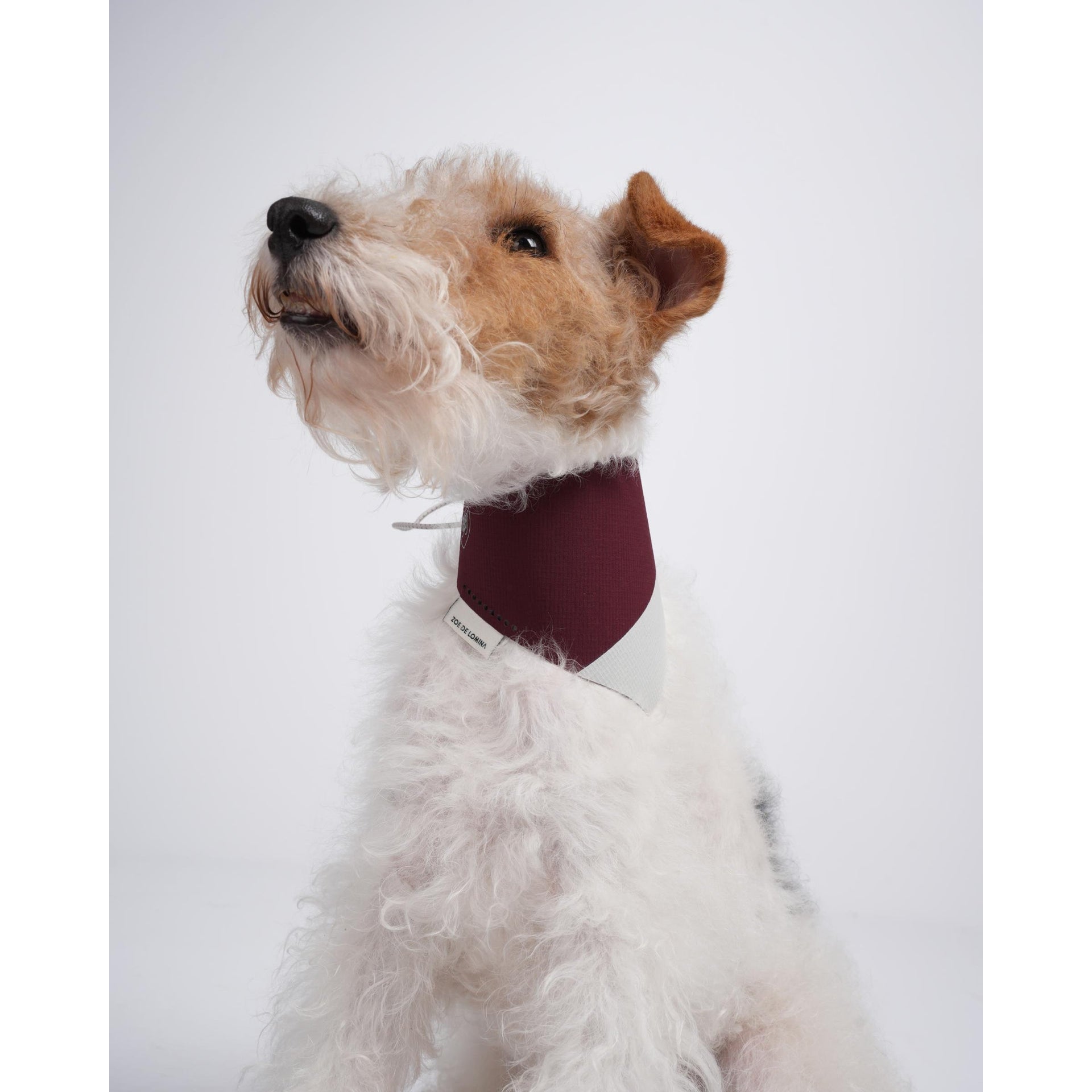


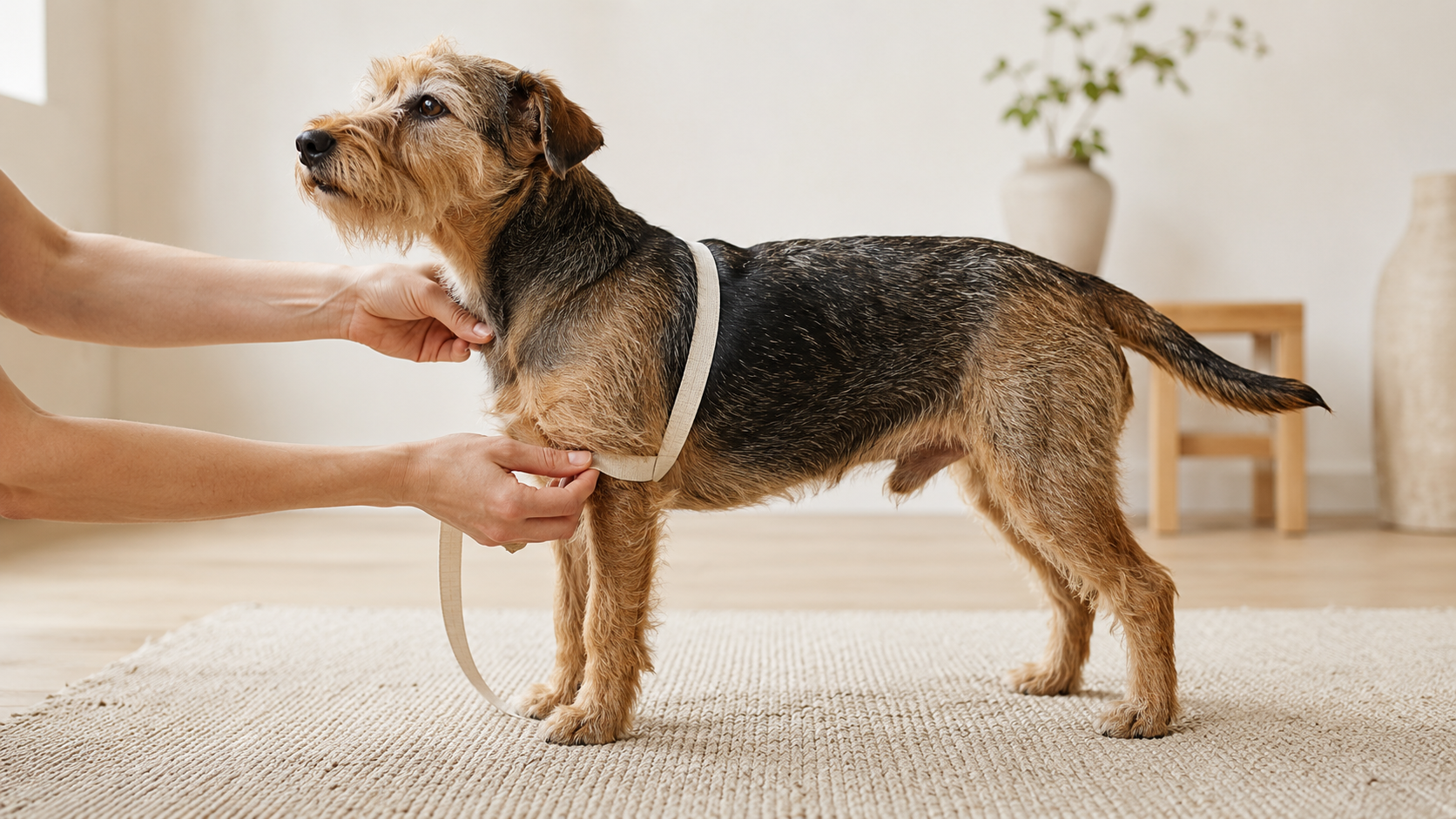
Measure your dog while they are standing naturally. Record their back length, chest girth and neck circumference in centimetres, then compare all three figures with the size chart for the exact garment. Do not rely on breed or weight alone.
If you do not have a flexible tape, use non-stretch string and measure it against a ruler. Keep it flat against the fur without pulling tight. On a fluffy dog, lightly smoothing the coat can make the reading more consistent.
With your dog standing squarely, find the point where the neck meets the shoulders. This is close to where a collar normally sits, rather than the top of the head. Measure in a straight line along the spine to the base of the tail.
Keep your dog’s head in a relaxed, neutral position. If they reach forwards for a treat or curl round to watch you, their back changes shape and the measurement can shift. Stop at the base of the tail; measuring down the tail usually produces a coat that is too long.
Wrap the tape around the widest part of the ribcage, usually just behind the front legs. Keep it level and clear of caught fur. This is often the key measurement for a fitted vest or jacket because your dog still needs room to breathe and move freely.
Take the measurement once, let the tape go, then repeat it. If the two figures differ, settle your dog and measure again rather than averaging a rushed reading.
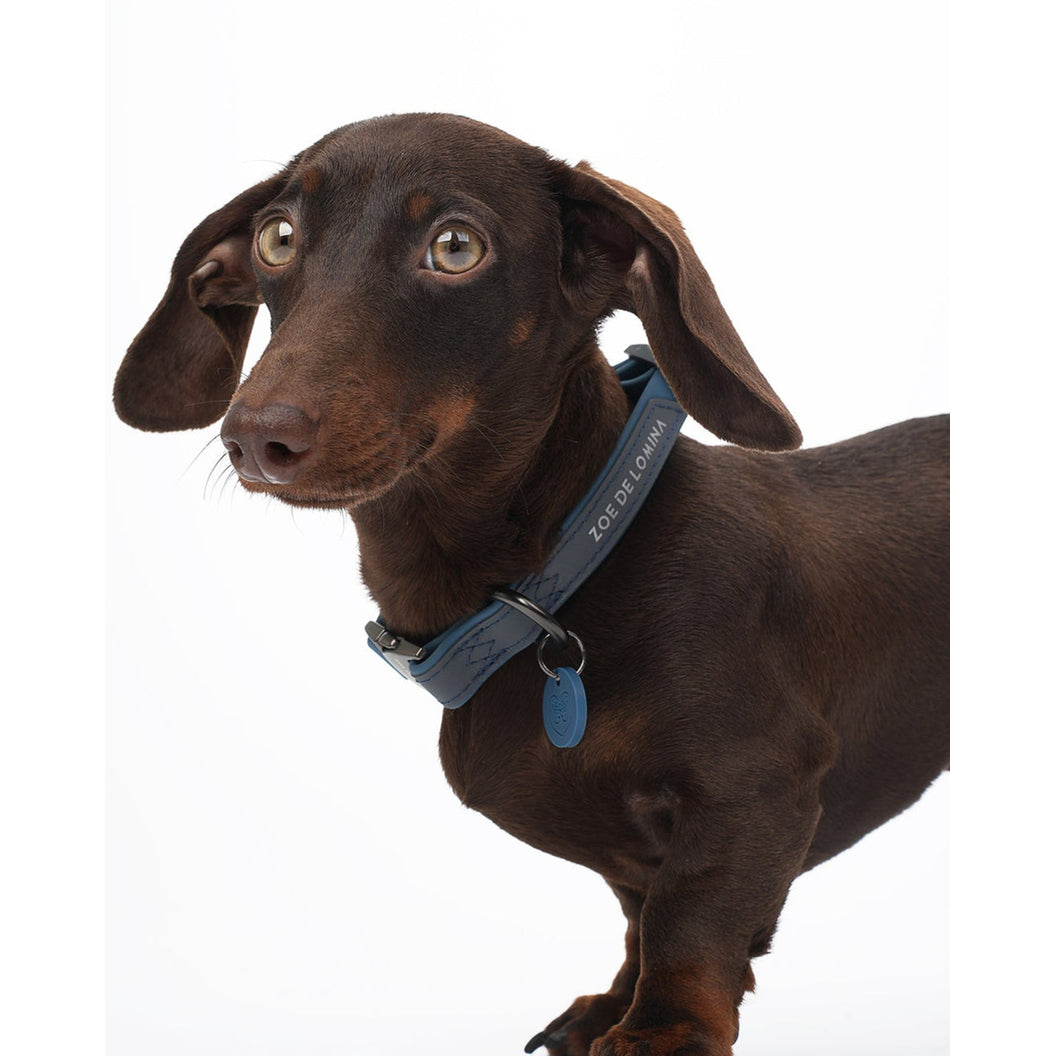
Measure around the lower part of the neck where the neckline of the garment will sit. This is generally lower than the position of a slim everyday collar. Keep the tape comfortably close without tightening it. A high-neck jumper and an open-neck rain vest may use this measurement differently, so always follow the individual product chart.
A four-leg suit or fitted romper may also need leg or belly measurements. Follow that garment’s diagram because start and end points vary. Check that the underside leaves toilet clearance and that the cut does not restrict the hind legs.
Use the chart for the exact product, not one saved from an earlier purchase. Compare every measurement and check whether the numbers describe the dog or the finished garment. Sizing changes with the cut, stretch and fastenings.
If your dog sits between sizes, identify which measurement controls the fit. Chest room may decide a close-fitting vest, while back length may matter more for a blanket-style coat. Then check for stretch or adjustment. If the product page does not explain what to prioritise, ask before ordering.
Measure over anything your dog will genuinely wear underneath. A harness can change the chest fit and create pressure points, so do not assume two items that fit separately will work comfortably together.
Once the coat arrives, try it indoors for a few minutes before removing labels or taking it outside. Your dog should be able to stand, walk, sit and turn normally.
The Royal Kennel Club advises that a coat should not prevent normal movement by being too tight or too loose. Freezing, backing away, scratching at it or moving unusually are signs to pause and reassess. Introduce clothing briefly and calmly before expecting a full walk.
Good sizing is only half the decision. Choose the level of coverage and insulation for the weather, the walk and your individual dog.
You can also compare Ruffo’s current dog outerwear collection by coverage, fastening and intended conditions.
Not every dog needs an extra layer. Coat type, age, health, activity and weather all matter. PDSA notes that fine-coated dogs, puppies, older dogs and dogs that are underweight or unwell can feel cold more quickly. If health affects your dog’s temperature tolerance, ask your vet what is suitable.
Check the neck, chest and front legs after your dog has moved at a normal pace, looking for dampness, rubbing or bunched fur. Remove wet clothing and let the garment and your dog dry. Most dogs do not need an outdoor coat in a warm home; PDSA notes that they can become too warm indoors.
It should sit securely without squeezing the neck or chest or restricting a normal stride. You should be able to slide your fingers beneath the edges without forcing them. The product chart and fastening design still take priority.
Not automatically. Compare all three figures and follow the priority on the garment’s chart. Stretch or adjustment can make the smaller size work; a structured style may need more room. Ask if the chart is unclear.
Only if the combination stays comfortable and the lead connection remains accessible. Put the harness on before measuring, check beneath the coat for rubbing, and make sure neither item shifts when the lead is attached. Some coats suit a harness worn over them.
Measure before buying a new style, and whenever your dog is growing, has changed weight or has had a major groom. Fresh figures are quicker than arranging an exchange.
Back, chest and neck measurements take only a few minutes, but they make choosing dog clothing far less uncertain. Write the figures down, use the chart for the exact product and judge the first fitting by movement as well as appearance. That is the simplest route to a coat your dog can comfortably get on with.
This guide covers general garment measuring and fit. It is not veterinary advice. For concerns about your dog’s health, mobility or temperature tolerance, speak to your vet.