Cart
0
You're £60.00 away from free UK delivery 🐾
You may also like


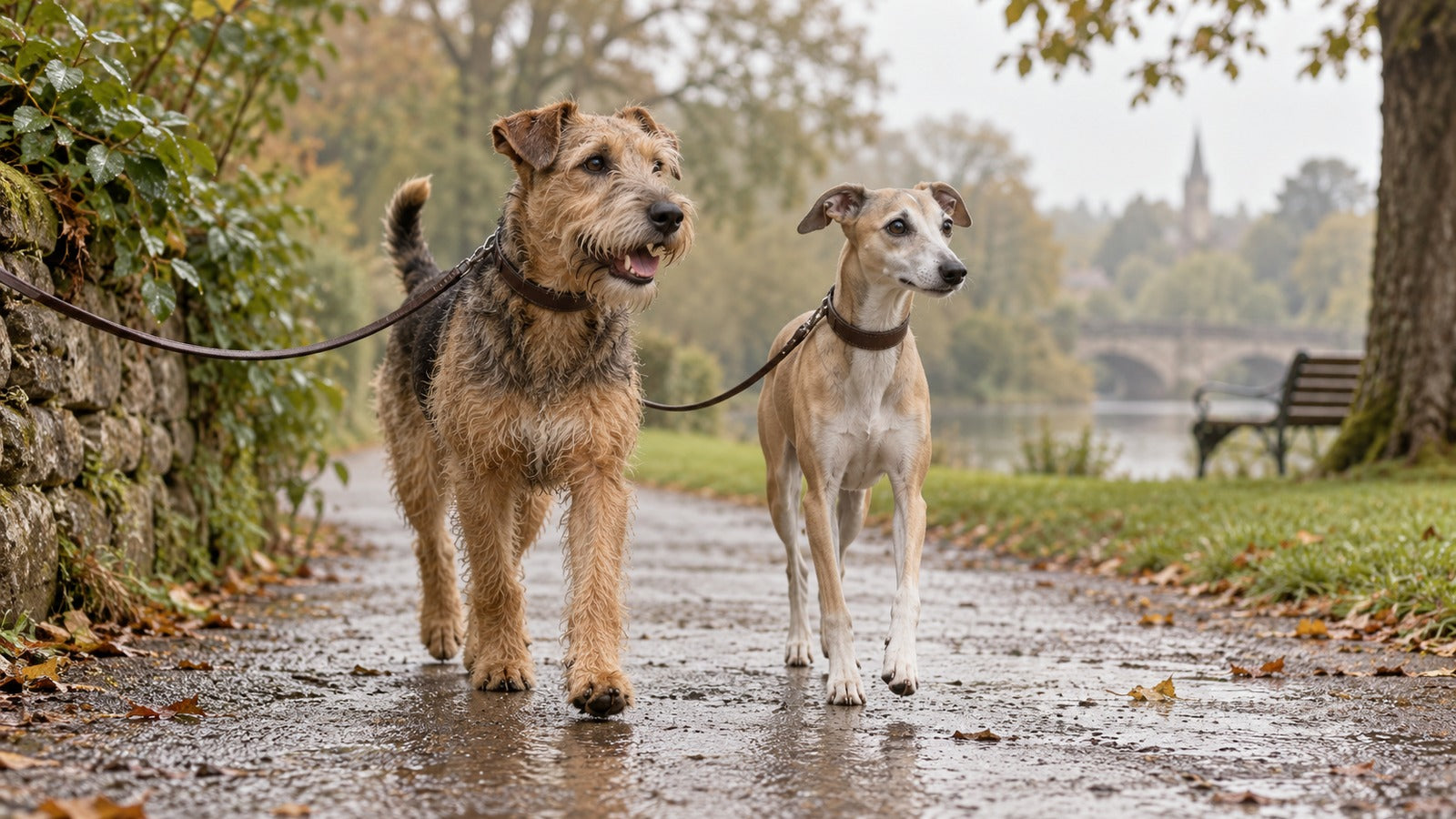
British weather rarely offers one neat condition at a time. A walk can begin with mild drizzle, turn breezy in the park and end on a colder, damp pavement. The useful question is not simply whether your dog needs a coat. It is whether today calls for rain protection, extra warmth or a careful combination of both.
A dog raincoat and a warm dog coat do different jobs. Start with the weather, then consider your dog’s natural coat, body shape, age and walking pace. This guide makes that choice simpler.
There is no single temperature rule that suits every dog. A brisk dog on a fast woodland walk generates more heat than a small, short-coated dog waiting at crossings. Treat the forecast as a starting point, not the whole answer.
A rain layer creates a barrier between your dog and wet weather. It can help keep the body drier, reduce splash on the fur and make the clean-up after a damp walk easier. A lightweight shell is especially useful when it is wet but not particularly cold.
Rain protection does not automatically mean warmth. An unlined shell may add very little insulation, while a padded winter coat may be warm but not designed for sustained rain. It is also worth checking the product wording carefully: water-resistant generally describes protection from lighter showers and splashes, while waterproof performance depends on the fabric, seams and construction of the whole garment.
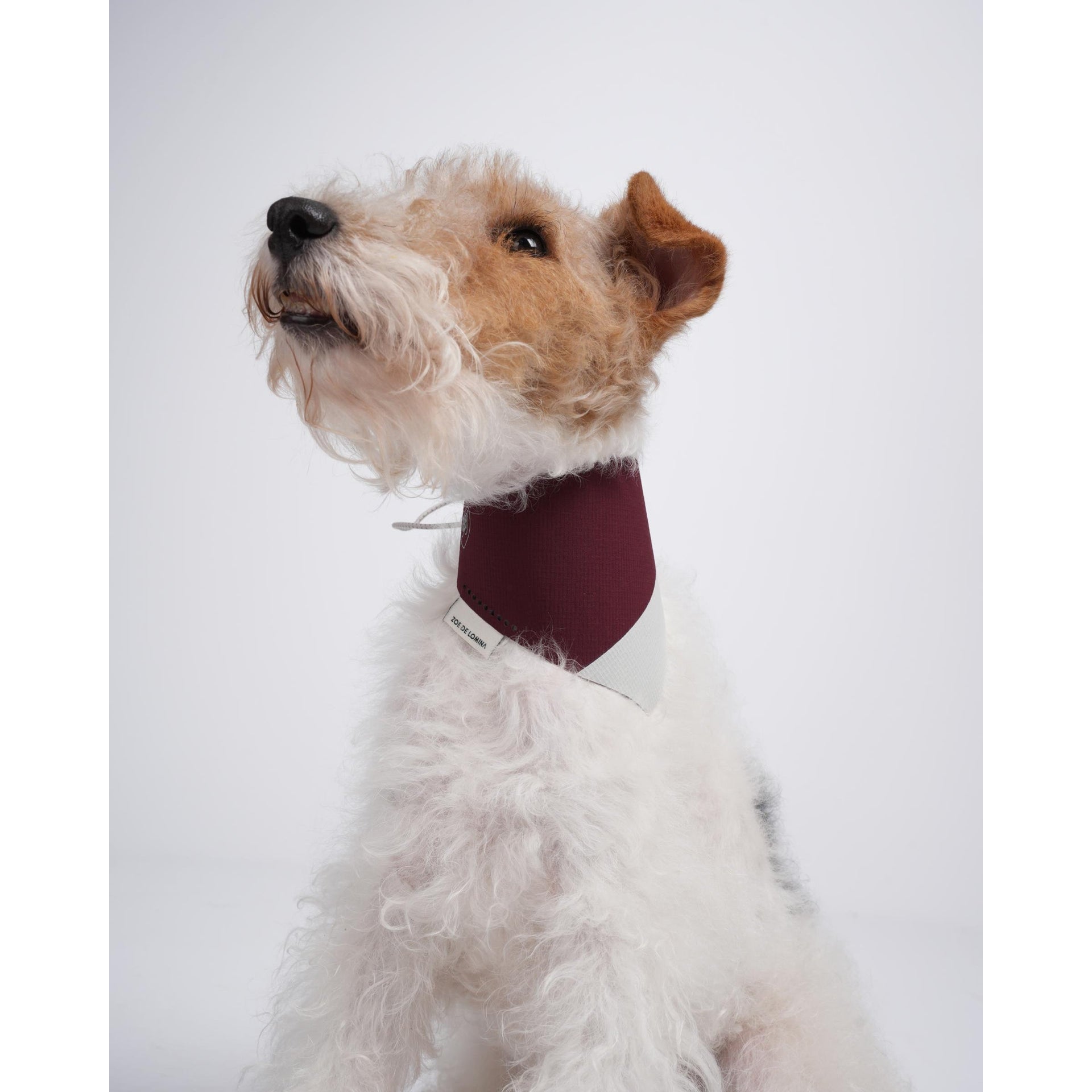
Ruffo’s City Jungle 2.0 Waterproof Vest is described as a lightweight, breathable outer layer with a water-resistant shell for light rain and splashes. Its adjustable neck and detachable back panel allow the coverage to be adapted, but it is not presented as an insulated winter layer. That makes it most relevant for changeable, milder wet walks.
On a dry, chilly day, warmth may matter more than rain protection. Knits, fleece and padding add insulation in different ways and at different levels of coverage. The right choice depends on how readily your dog feels the cold and how active they will be outside.
Smaller, slimmer and short-coated dogs can be more vulnerable in cold conditions, as can very young or older dogs. The Kennel Club also advises watching the individual dog rather than relying on one rule for every breed. If your dog shivers, becomes unusually tired or wants to turn back, head home and help them get warm and dry. Its seasonal walking guidance offers further cold-weather context.
Within Ruffo’s current range, the warm options serve distinct needs:
This is where layering can be useful. A warm layer manages insulation; an outer shell manages rain and wind exposure. Separating those jobs lets you adjust the outfit as conditions change, much as you would with your own walking clothes.
However, two garments only work well together when they are genuinely compatible. Do not force a close-fitting coat over a thick knit or fleece. The combined outfit should still allow a full stride, easy shoulder movement and comfortable breathing, with no pulling at the neck, chest, armpits or legs. Check that closures sit flat and that nothing interferes with toileting.
If the fit becomes bulky or tight, choose one more suitable garment instead. PDSA’s winter coat guide makes a similar practical distinction between a simple raincoat and a multipurpose coat that combines weather protection with fleece or padding.
Two dogs on the same path can need different protection. Consider these points before dressing for the walk:
A size that fits perfectly on its own may be too close over another garment. Measure your dog while standing naturally and compare the chest, back and neck measurements with the size guide for the exact product. If you plan to layer, allow for the thickness underneath rather than assuming the same combination will work in every style.
Our guide to measuring your dog for a coat explains the three key measurements and how to check the finished fit. Ruffo clothing pages also include the Fit Finder beside the size options, so you can compare your dog’s measurements with that garment rather than relying on breed or weight alone.
You do not need a different outfit for every forecast. Start with the condition you meet most often:
You can compare Ruffo’s current rain-ready, knit, fleece and padded options in the Outerwear collection. Choose by function first, then use the product-specific size guide to narrow the fit.
Remove wet clothing once you are home, dry your dog and let the garment air fully before storing it. Brush or rinse away grit where the care instructions allow, and follow the label for washing and drying; treatments and fabric finishes can respond differently to heat and detergent. A quick check of seams, fastenings and high-rub areas will also help you spot wear before the next walk.
Not necessarily. A lightweight raincoat mainly manages wet weather. For cold conditions, look for stated insulation or add a compatible warm layer, provided the combined fit stays comfortable.
Yes, if both garments are designed and sized to work together. Check the chest, neck, shoulders and leg openings, then watch your dog walk naturally before heading out.
Some may benefit from a light rain barrier even when they do not need extra insulation, particularly on wet or muddy walks. Avoid adding more warmth than your dog needs and monitor their comfort.
It should sit securely without pressing, rubbing or limiting the stride. It should also leave the toilet area clear. Use the exact product’s size guide because measurements and cuts vary between styles.