Cart
0
You're £60.00 away from free UK delivery 🐾
You may also like
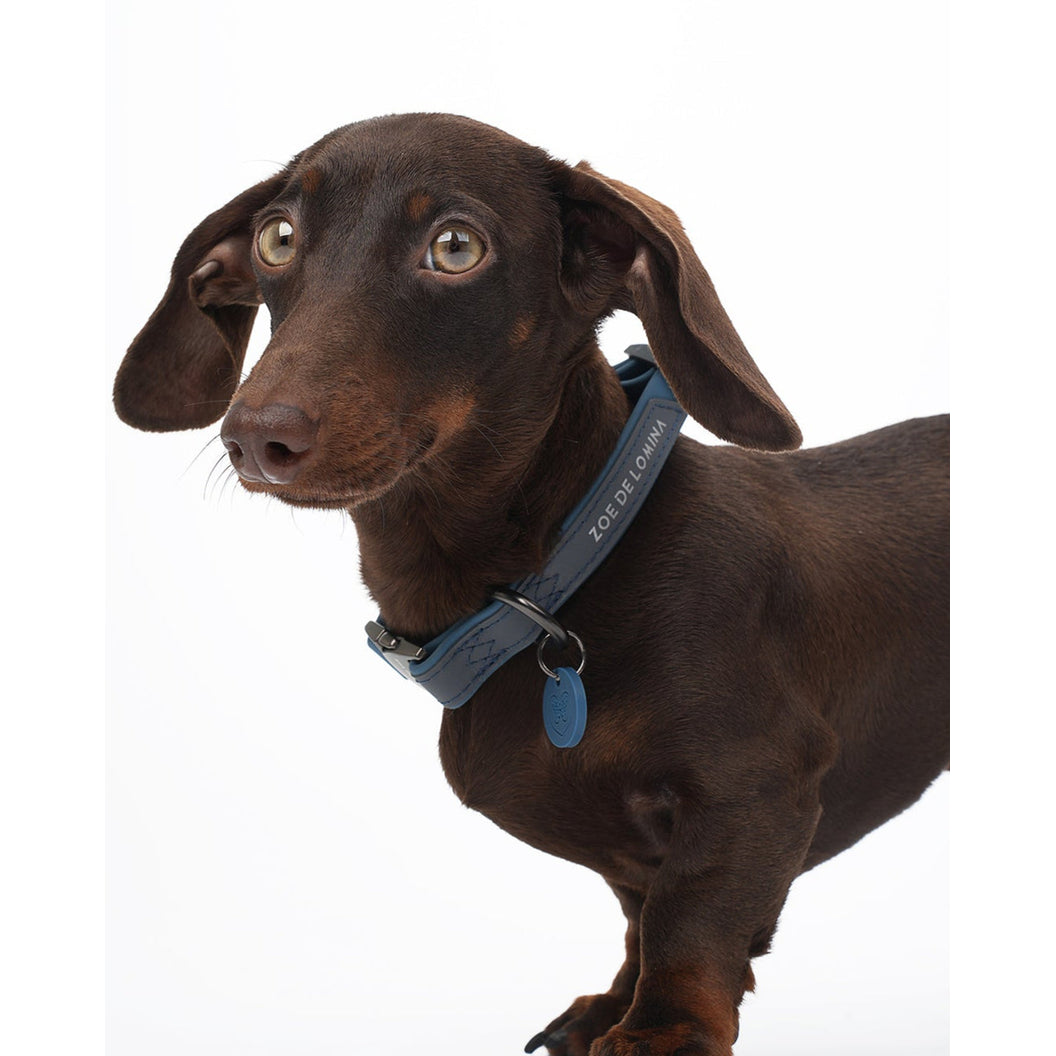
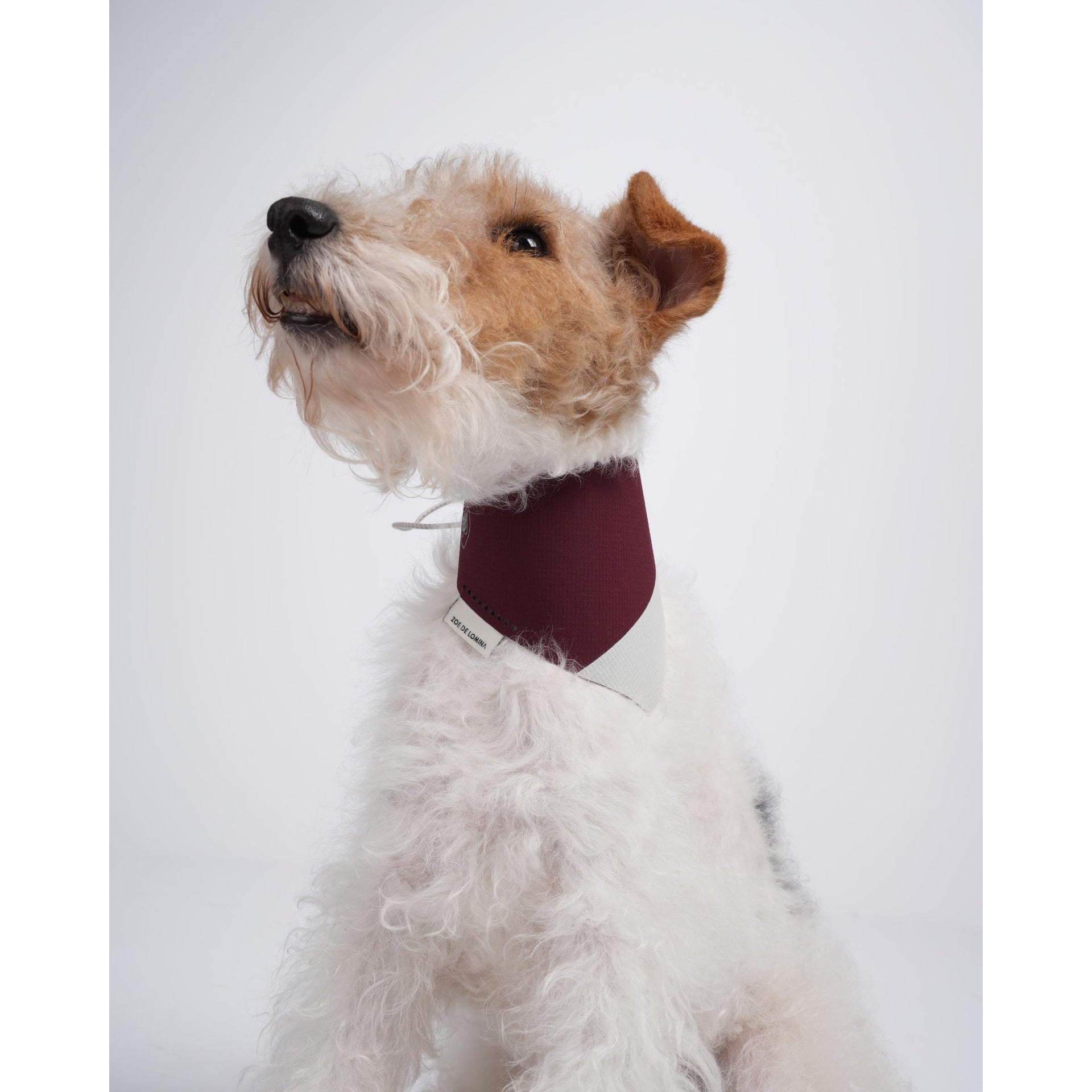


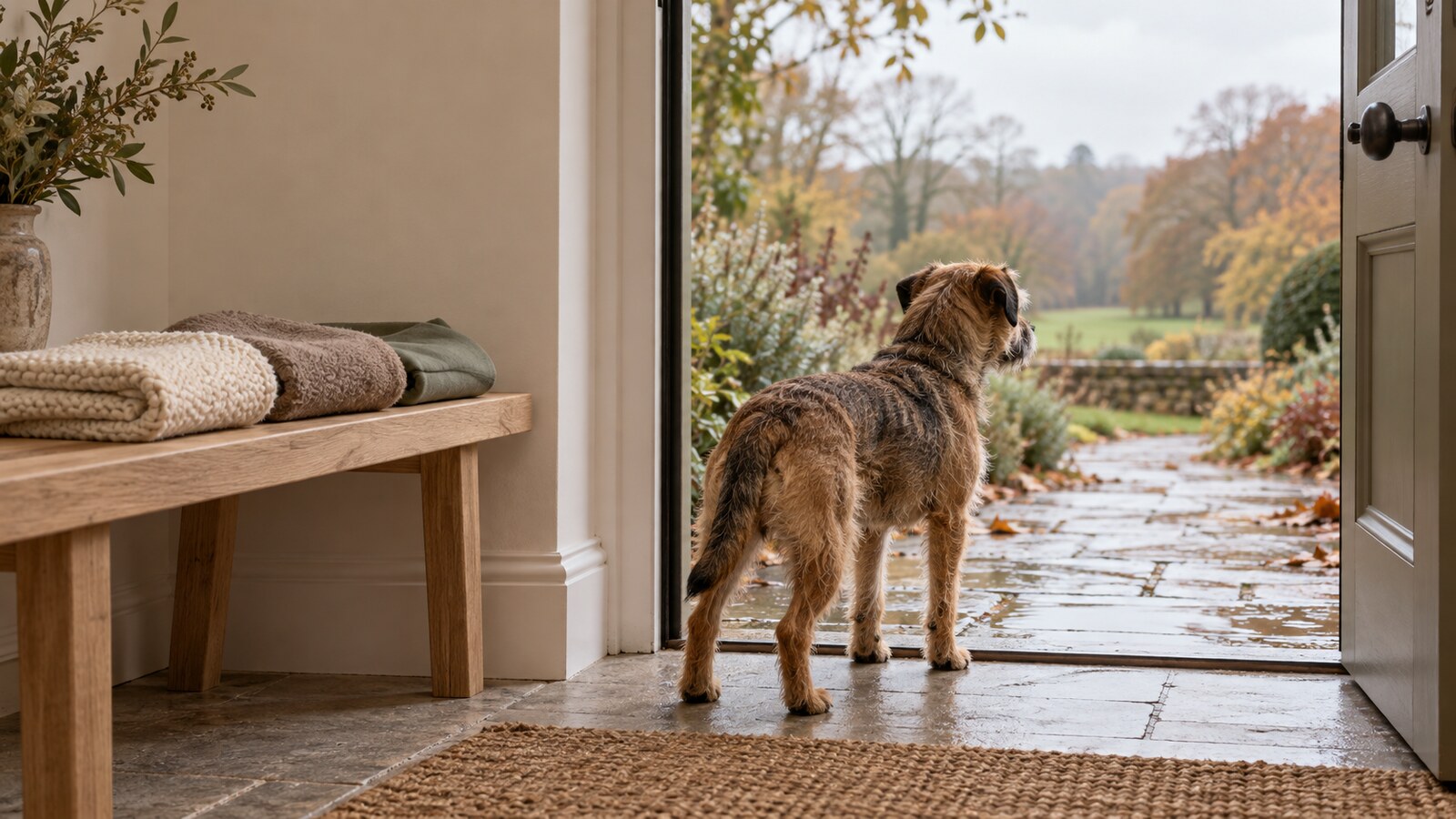
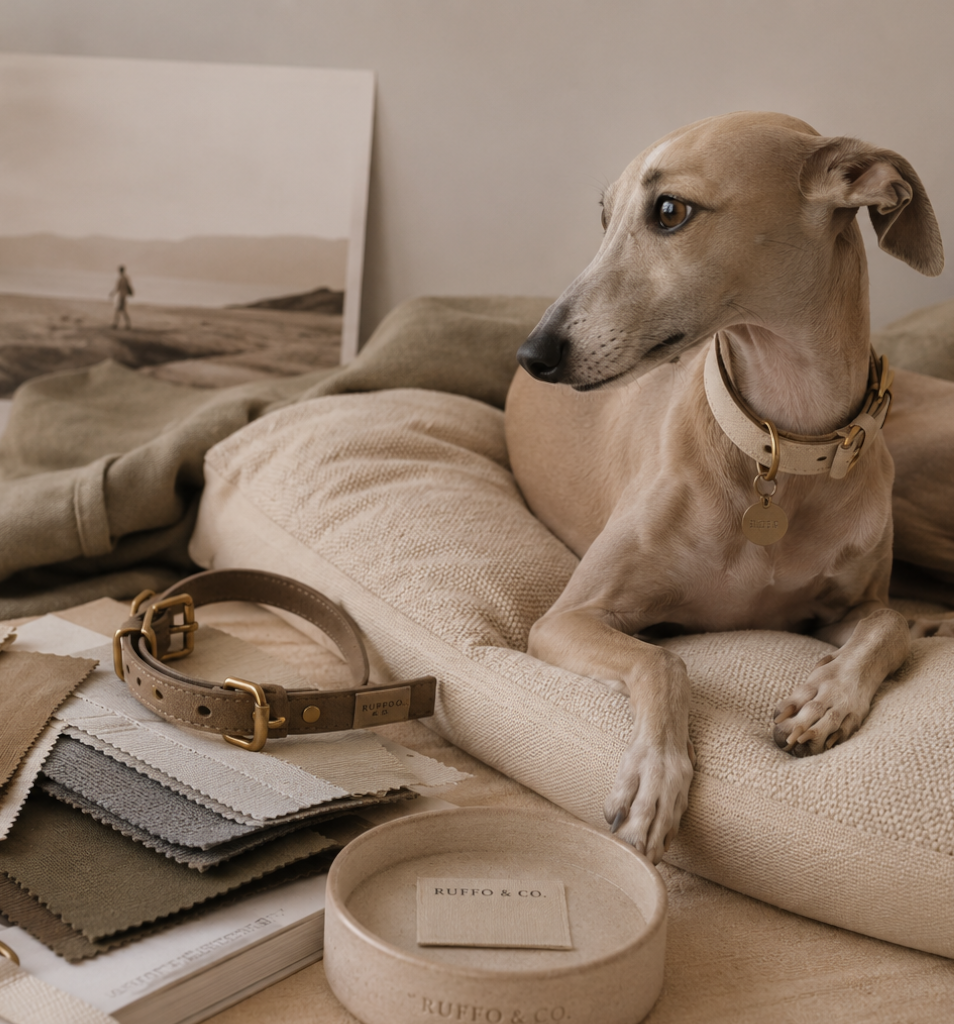
A winter coat for a small dog should solve the problem outside the door: drizzle, a sharp wind, a cold dry morning or a muddy path. It should not simply be the thickest option in the wardrobe. British winter weather changes quickly, and the right layer is often the one that gives enough protection without restricting an active walk.
Small dogs can feel the cold sooner than larger dogs, particularly if they are fine-coated, slim, young, older or less active. But size is only one part of the decision. Natural coat, health, pace, walk length and the weather all matter. This edit makes the choice simpler by matching four types of winter dogwear to the conditions they suit best.
There is no single coat that is best for every winter walk. A compact two-layer wardrobe — one weather shell and one warm layer — is often more useful than one very heavy coat. Explore the full Ruffo outerwear collection if you want to compare all four shapes together.
A smaller frame leaves less room for a bulky or badly balanced garment. Excess fabric can shift, catch around the front legs or sit too low underneath, while a tight chest can shorten the stride. Dogs with a longer back, broader chest or shorter legs may need a different shape even when their weight is similar.
That is why the size printed on the label is only a starting point. Measure the widest part of the chest, then check back length and neck against the chart for the individual garment. On Ruffo product pages, Find My Size uses those measurements to identify the closest match. Always make the final check on your dog: they should be able to walk, turn, sit and lower their head naturally.
When the temperature is moderate but the pavement is wet, insulation may be unnecessary. The City Jungle 2.0 Waterproof Vest is Ruffo’s lightweight outer layer for city walks and weekend trails. Its water-resistant shell is designed to help with light rain and splashes, while the breathable, low-bulk construction keeps movement easy.
This is the practical choice for a dog that is comfortable in the temperature but benefits from some weather coverage. It is not presented as an insulated winter coat, so switch to a warmer option when cold rather than rain is the main issue. For longer or heavier rain, always check the stated protection of any garment rather than relying on its name alone.
The Heritage Knit Sweater is an easy warm layer for dry, cooler days. Its soft knit adds warmth without too much bulk, making it useful for crisp walks, café stops or as a base beneath roomy outerwear when the temperature drops.
A knit is not rain protection. If the forecast turns wet, use a suitable shell or choose a different garment. The advantage is comfort and versatility: on a dry day it can be enough on its own, especially for a shorter walk or a dog that only needs a modest amount of warmth.
For colder mornings, the 3M Thermal Padded Vest adds light padding without excessive bulk. The vest shape leaves the legs free, while a ribbed neckline and back zip make dressing straightforward. It is a useful middle ground when a knit feels too light but full-leg coverage feels unnecessary.
Because Ruffo does not describe this vest as a rain shell, treat it as a warmth-first layer. On a cold but wet day, consider the conditions and whether a separate weather layer is genuinely needed. Never squeeze two garments together: layering only works when the outer piece still closes comfortably and your dog keeps a natural stride.
The Removable Heritage Fleece Four-Leg Suit is designed for colder days when more coverage is helpful. The soft fleece lining adds warmth, and the removable legs allow two different setups: full-body coverage for colder walks or a simpler everyday layer with the legs taken off.
This adaptability can be particularly useful for low-to-the-ground dogs or walks where the path is cold and messy. Fit matters more with a legged suit than with a vest. Check that the cuffs stay clear of the paws, the fabric does not bunch behind the elbows and your dog can take a full step without pulling across the shoulders.
Start with the weather your dog actually walks in most often. A city dog doing short loops in drizzle may get more use from a light shell and a knit. A dog that spends longer in a cool park may suit a padded vest plus a rain layer for wet days. If your dog tends to feel the cold and benefits from more body coverage, a flexible fleece suit may earn its place first.
Think in jobs rather than outfits:
That approach prevents duplication and makes it easier to choose before each walk. Check the forecast, consider how long and active the outing will be, then use the lightest layer that keeps your dog comfortable.
Recheck the fit whenever you add a layer underneath. The PDSA also advises that dog clothing should be chosen for warmth and dryness rather than appearance alone, and that many thick-coated, healthy dogs may not need a coat. Watch the individual dog and remove a layer if they seem too warm.
No. Small size can make a dog lose heat more quickly, but natural coat, age, health, activity and conditions all affect comfort. Fine-coated or cold-sensitive dogs may benefit sooner, while a healthy, active dog with a dense coat may need little or no extra warmth.
Choose rain protection before insulation if the day is mild and wet. A lightweight water-resistant shell can suit light rain and splashes; heavier rain calls for protection explicitly rated for those conditions. A wet warm layer is not a substitute for a proper weather shell.
Material alone does not settle it. Warmth depends on thickness, construction, body coverage, fit and the dog’s activity. Padding can give focused core insulation, while a fleece suit can cover more of the body. Choose by conditions and fit rather than the category name.
Yes, if both garments are designed to layer and the combined fit remains comfortable. Check the chest, shoulders and leg openings again after adding the jumper. If the shell pulls, fastenings strain or movement changes, use one layer or move to a roomier outer size only when its own measurements support that choice.
The Ruffo view: useful dogwear begins with the walk. Match protection to the weather, warmth to the dog and the shape to their measurements. The result should feel easy enough to wear every day — and considered enough to look at home in the city or the park.